ePlannerPro
Over my four years, we grew 5x in enterprise clients and our software booked 100,000+ meetings at technology tradeshows and conferences.
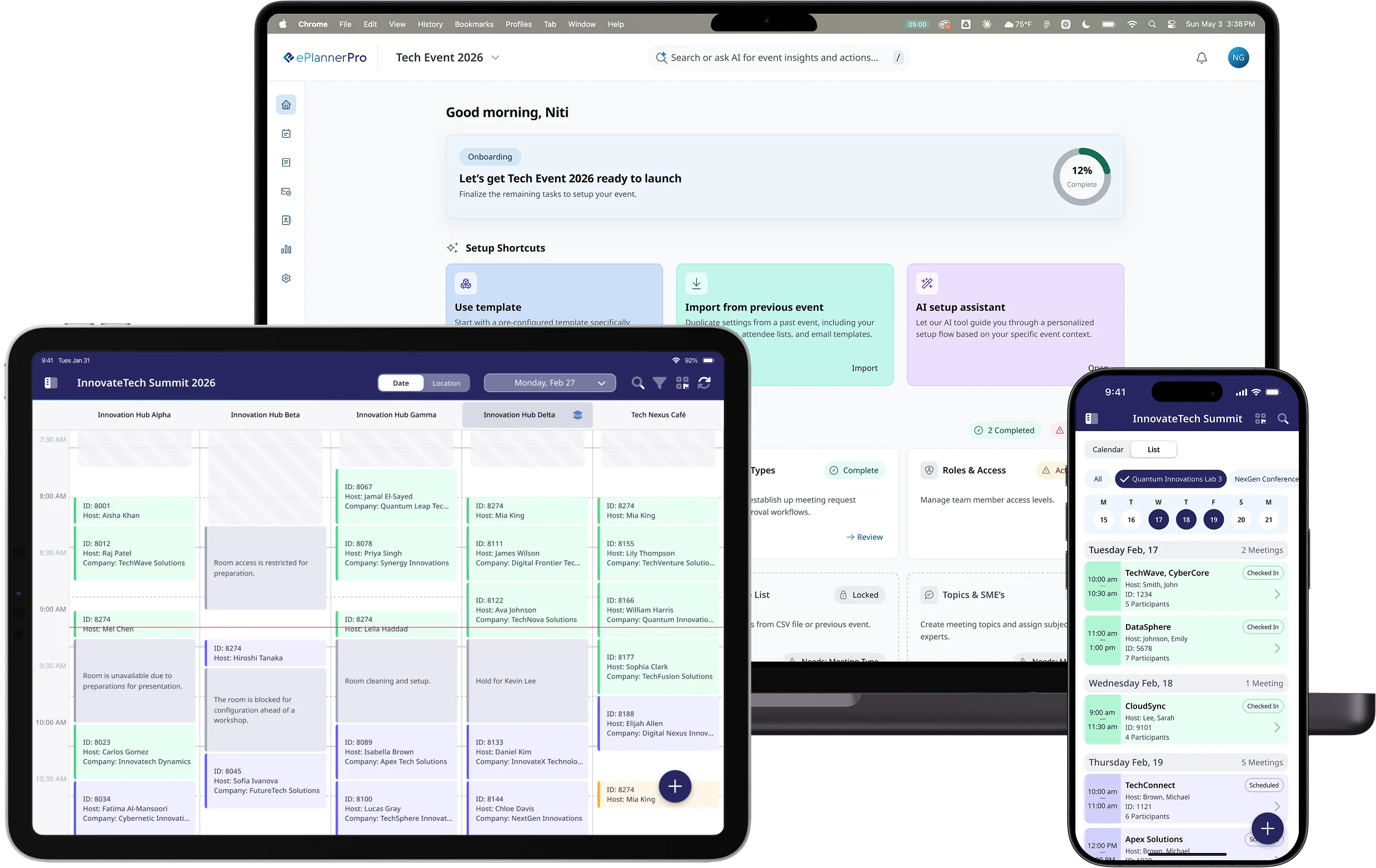
What's ePlannerPro
ePlannerPro is a B2B SaaS platform that helps enterprise event teams schedule and manage meetings at technology trade shows and conferences.
From legacy platform to modern workflows
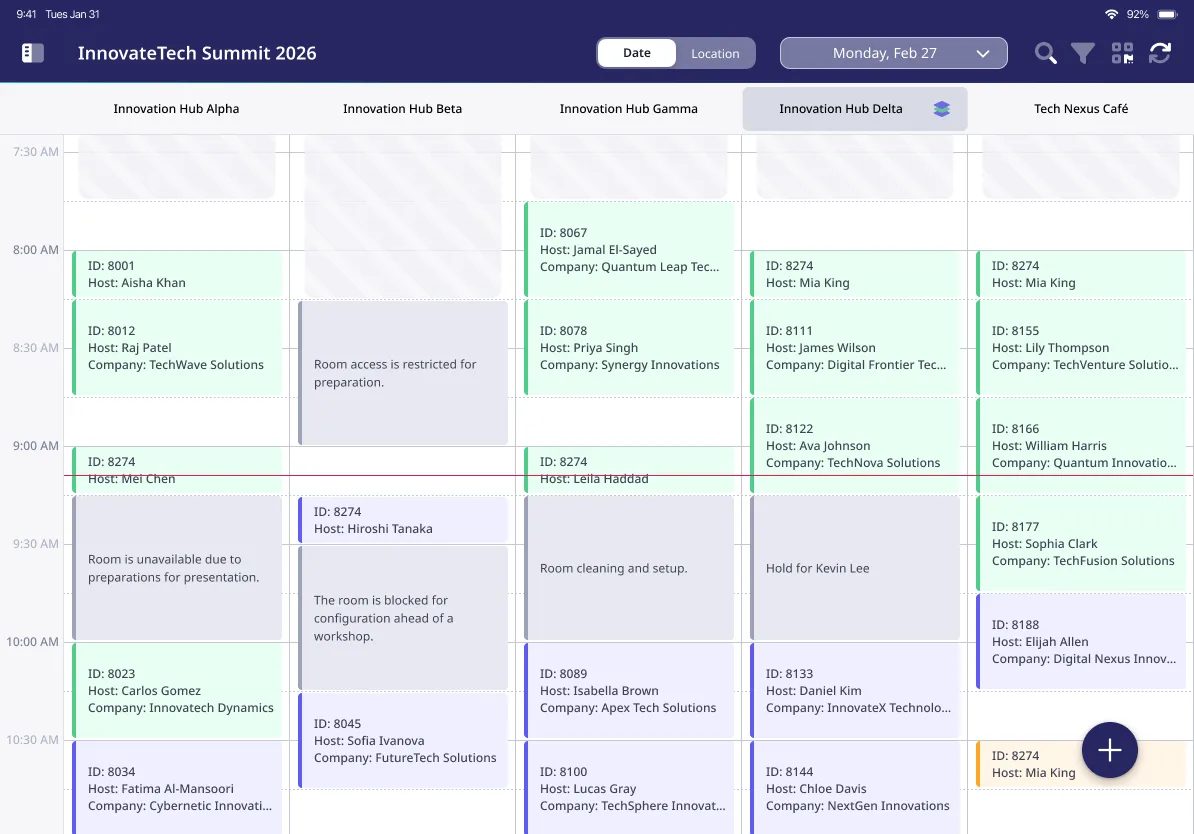
I joined in 2022 as the first and sole designer, which meant owning the full design across platforms, running research, and building the design system. Features had been added one by one from customer requests, layered onto the existing structure without revisiting the foundation. The product was capable, but the IA underneath hadn't kept up.
From there, we rebuilt. We started by mapping the pain points coordinators ran into most often, then worked through the surfaces they used most. By the end we had touched every part of the product, and built a cross-platform design system in the process.
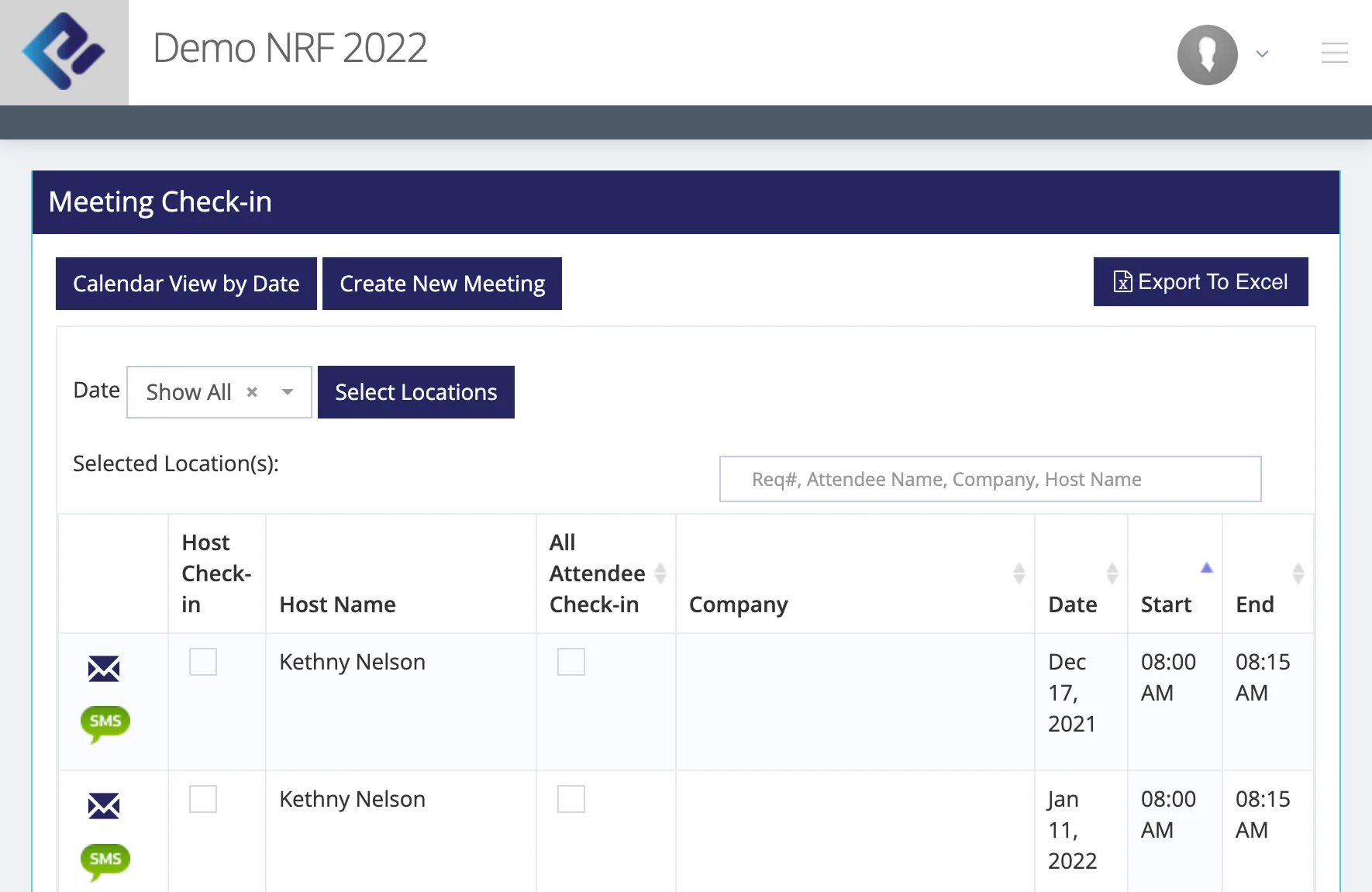
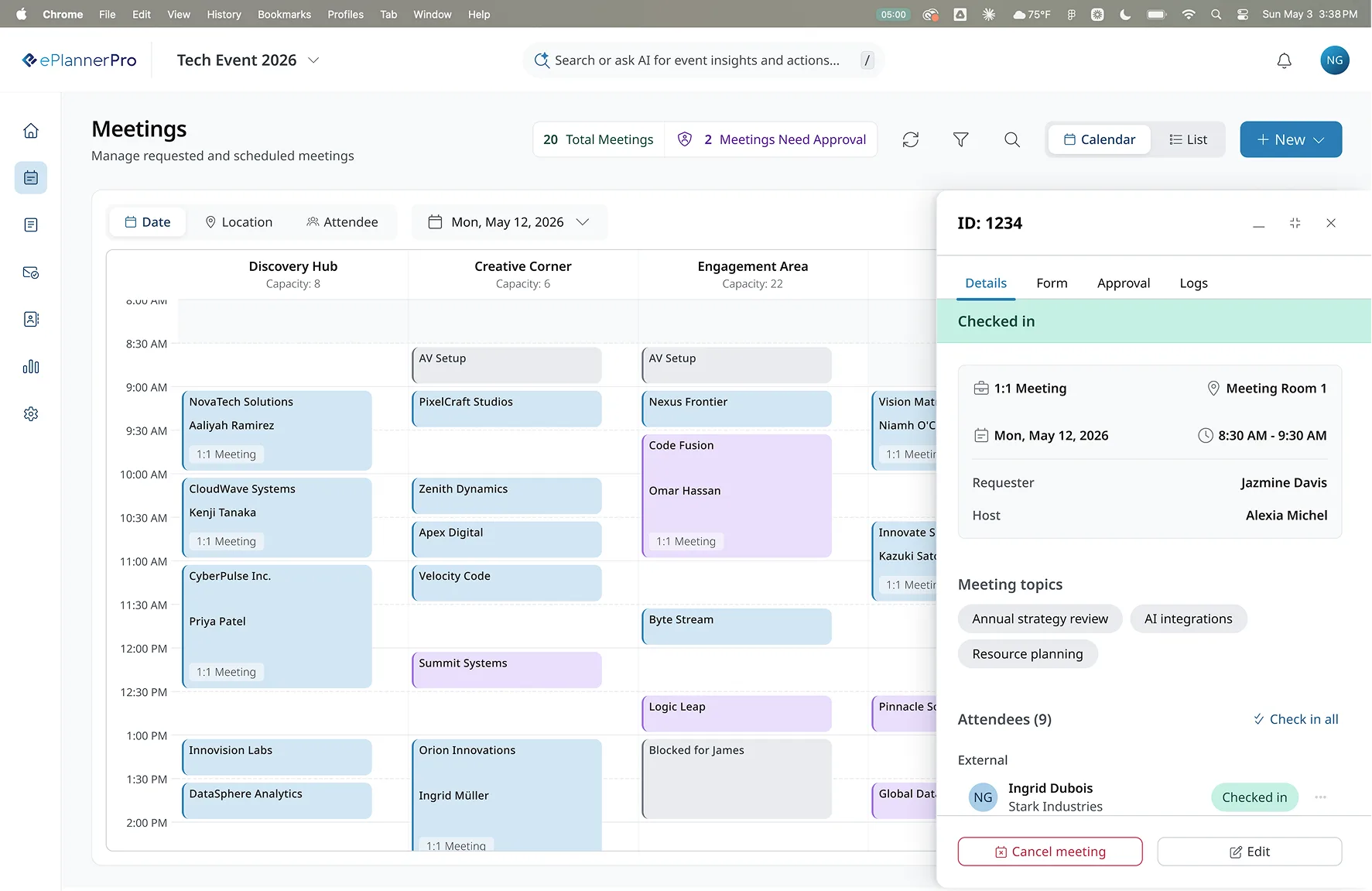
the redesign
the original
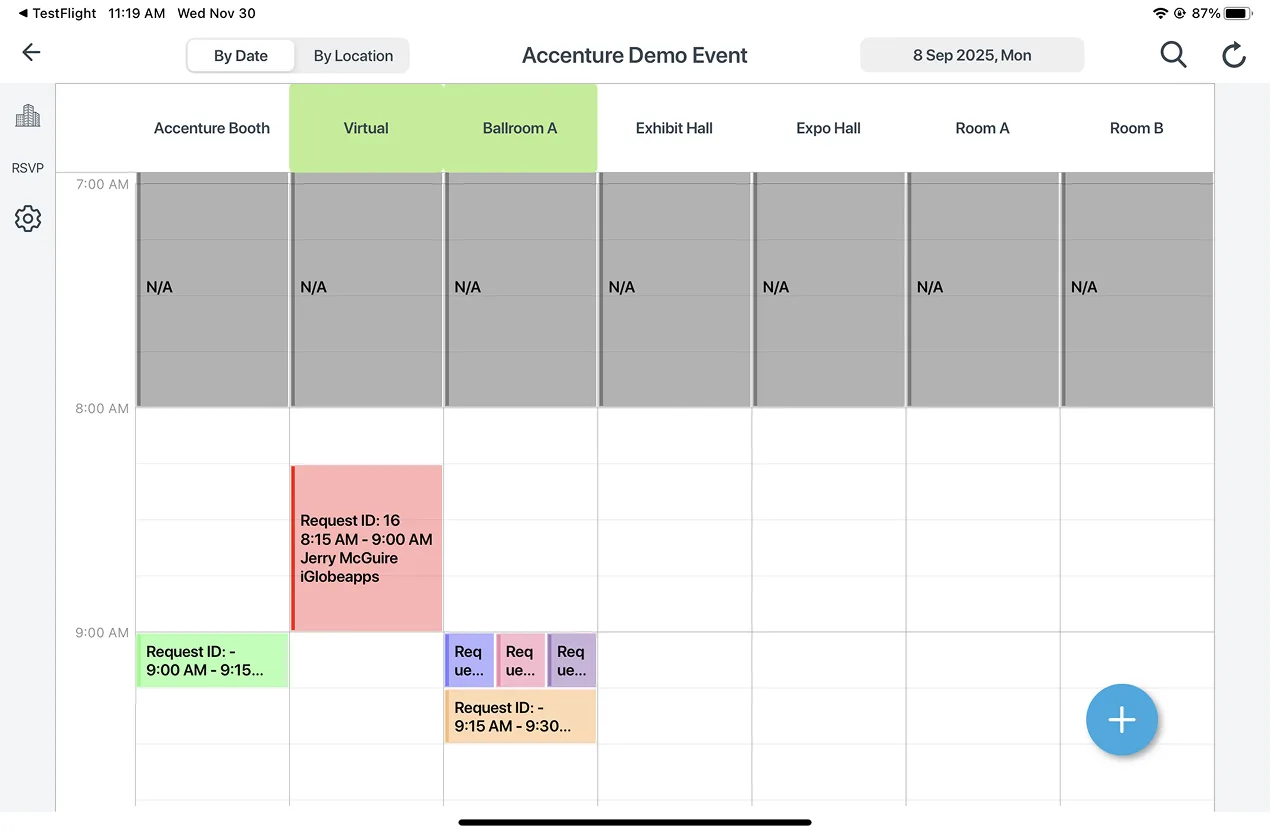
the redesign
the original
Flows that defined the rebuild
01 / CALENDAR
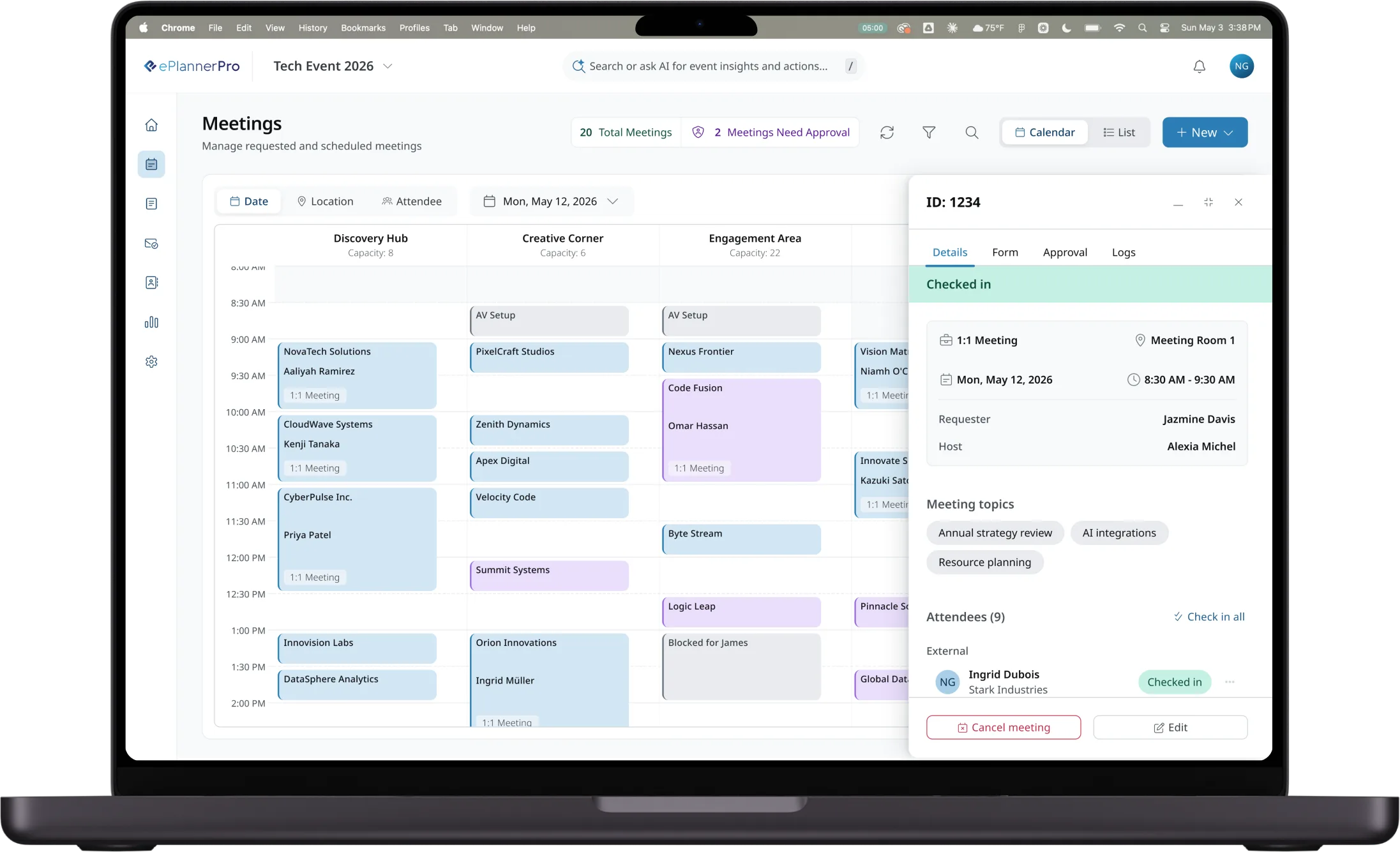
A unified calendar view
Meeting requests, scheduling, approvals, and check-in had each evolved into their own section, which meant new users had to learn four different surfaces to manage what was conceptually one thing. The rebuild moved all of these features into the calendar, which became the center of the product.
02 / DASHBOARD
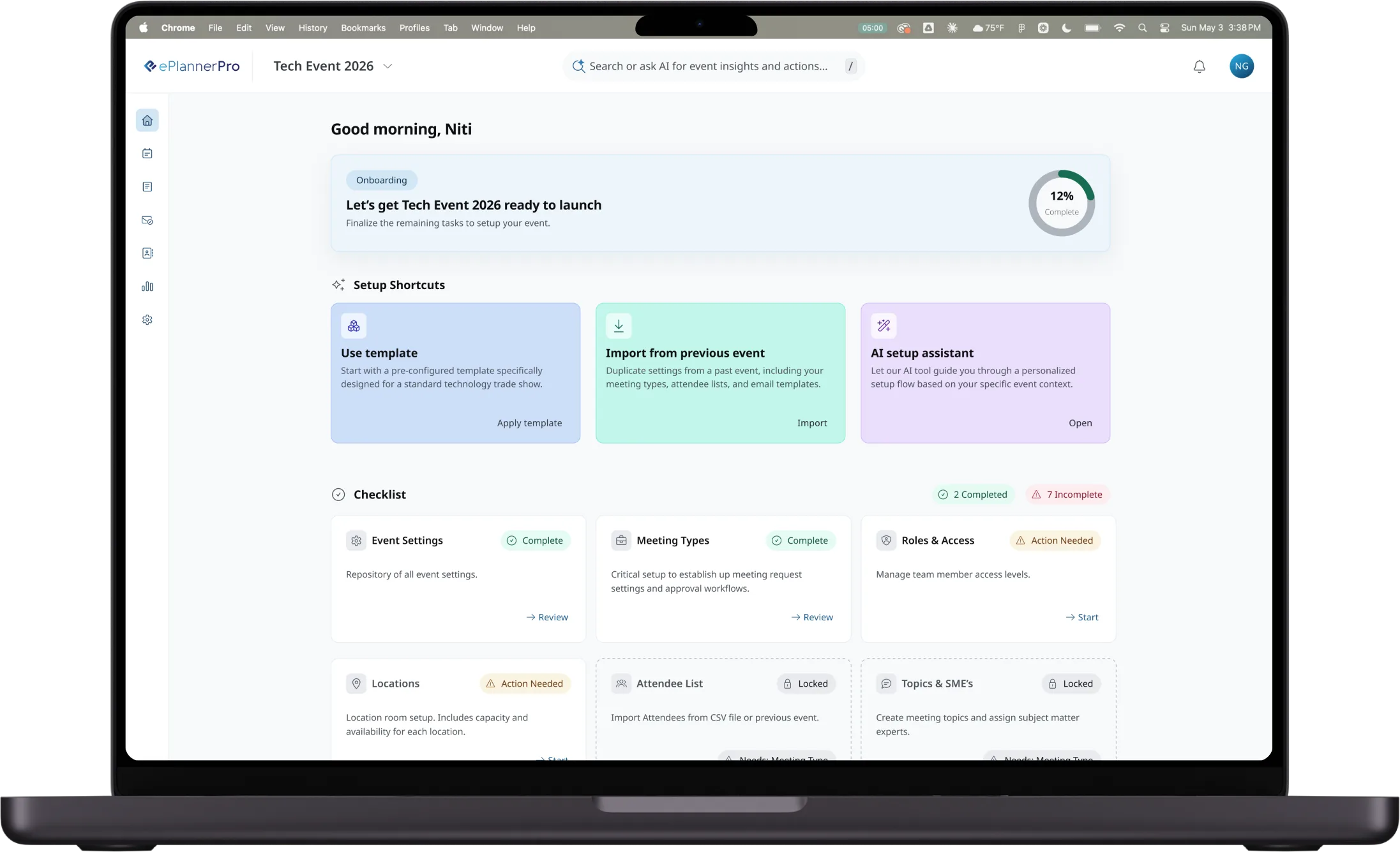
A dashboard that follows the event
Onboarding was the loudest pain point on both sides of the product. Clients leaned heavily on customer success to navigate event setup, and CSMs spent most of their time walking people through the same configuration steps. I redesigned the dashboard to change shape based on where the event was in its lifecycle: setup tasks pre-event, incoming requests during the active window, reports post-event. Coordinators can open the app and see whatever stage they're actually in, which cut down the back-and-forth between coordinators and customer success.
03 / REPORTING
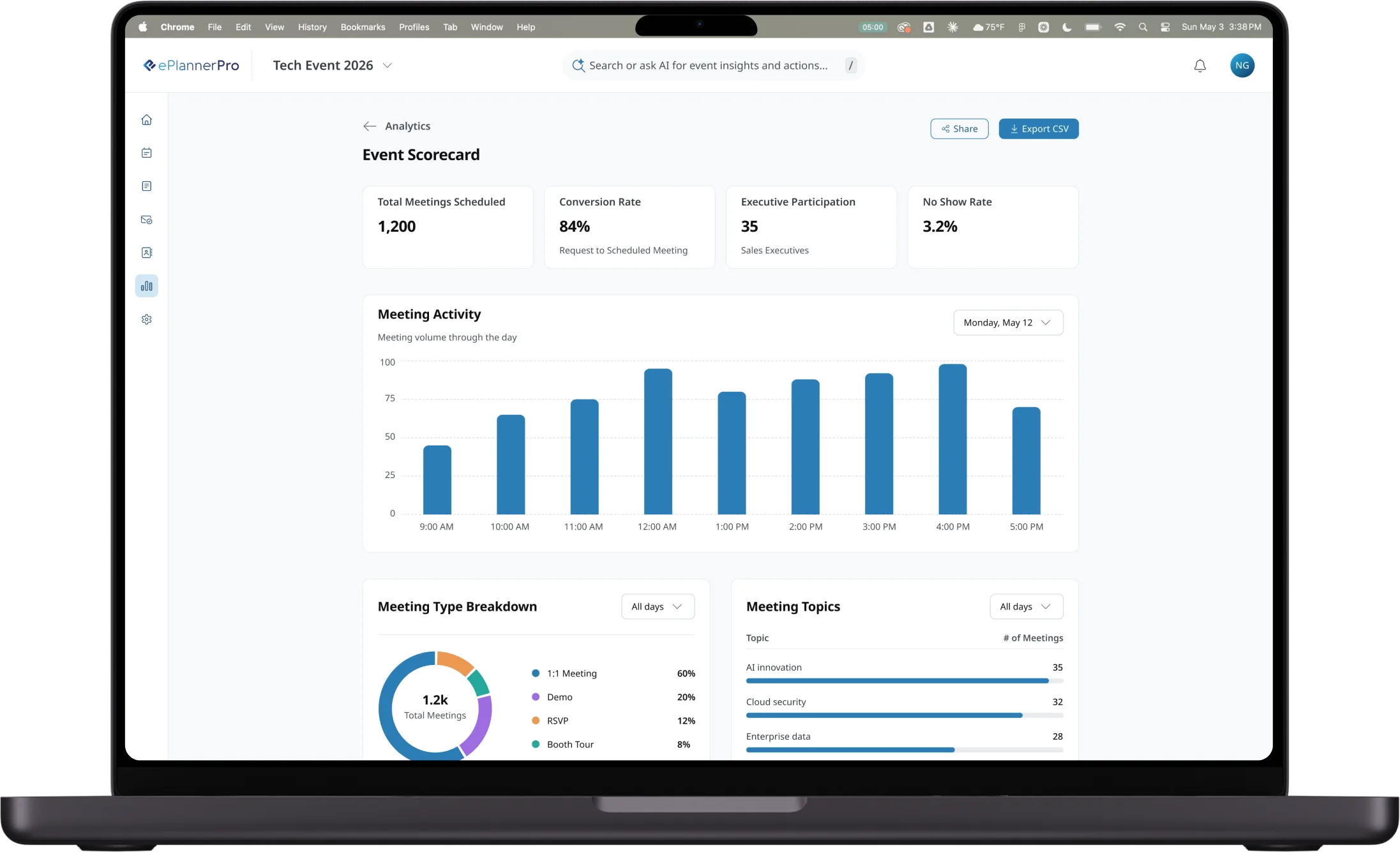
Reports built around real questions
Showing ROI is one of the main values for coordinators, but the reporting section had grown into a list of isolated reports. Most clients couldn't tell which report answered which question. I restructured the IA around the questions coordinators actually asked and made custom reports easier to build for the cases that didn't fit a template. The visuals were rebuilt at the same time, so coordinators could share them directly with leadership.
The design system
I built the design system across devices and with a token-based naming system underneath. By year four it held 150+ components with variations, shipped as a Figma library that engineering referenced directly, and most new features were being assembled from the system rather than designed from scratch.
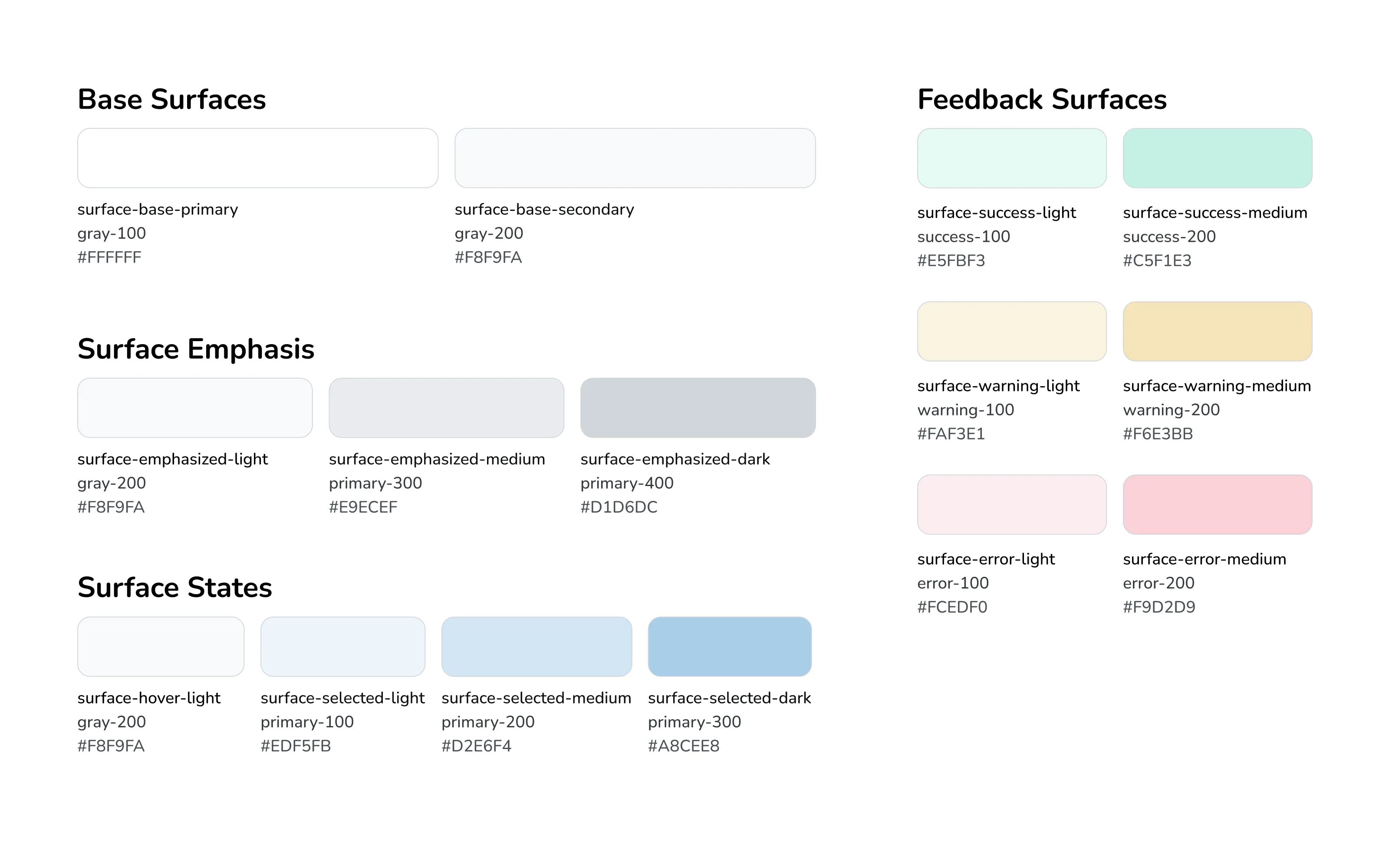
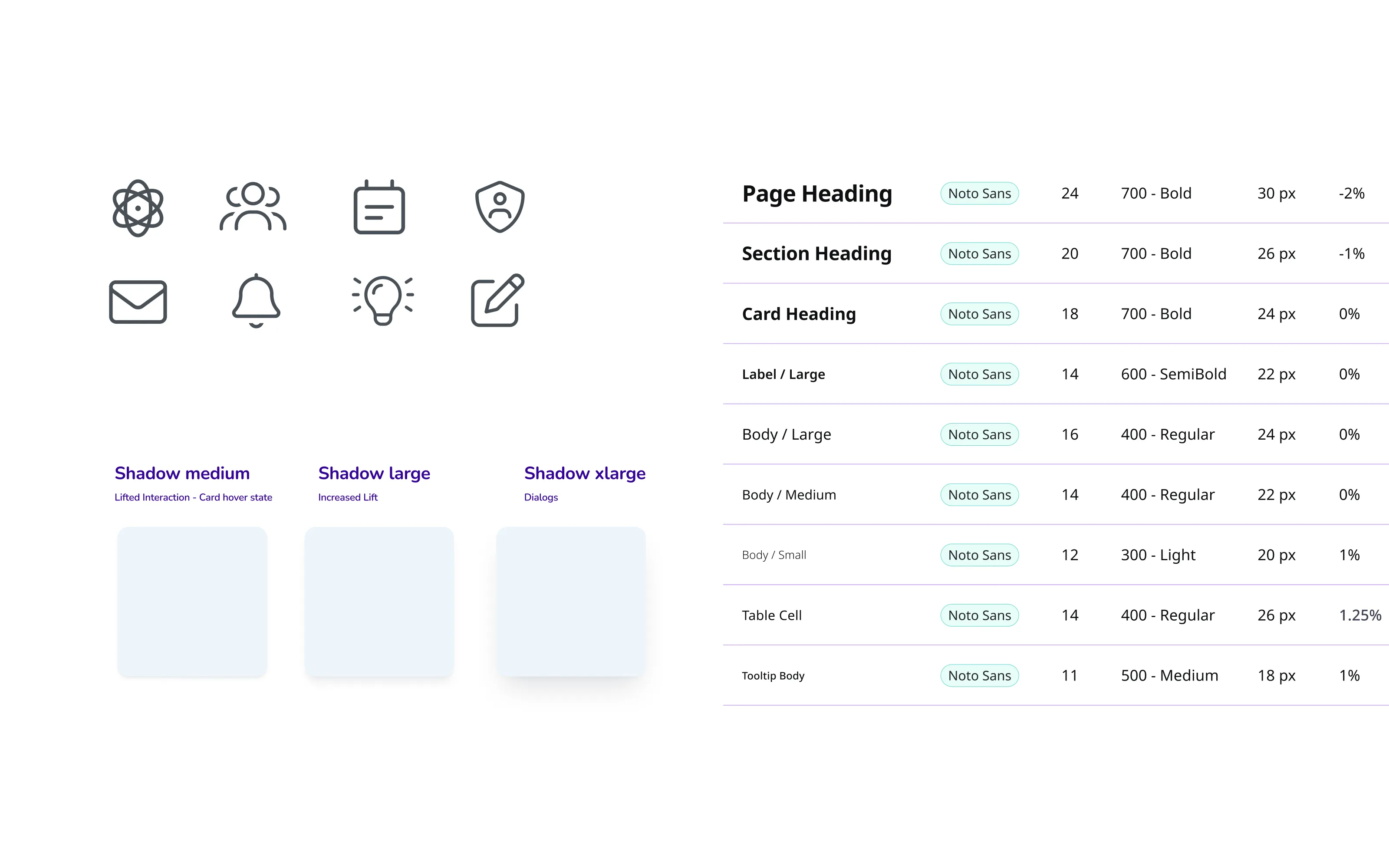
Atoms
Color, type, spacing, shadows
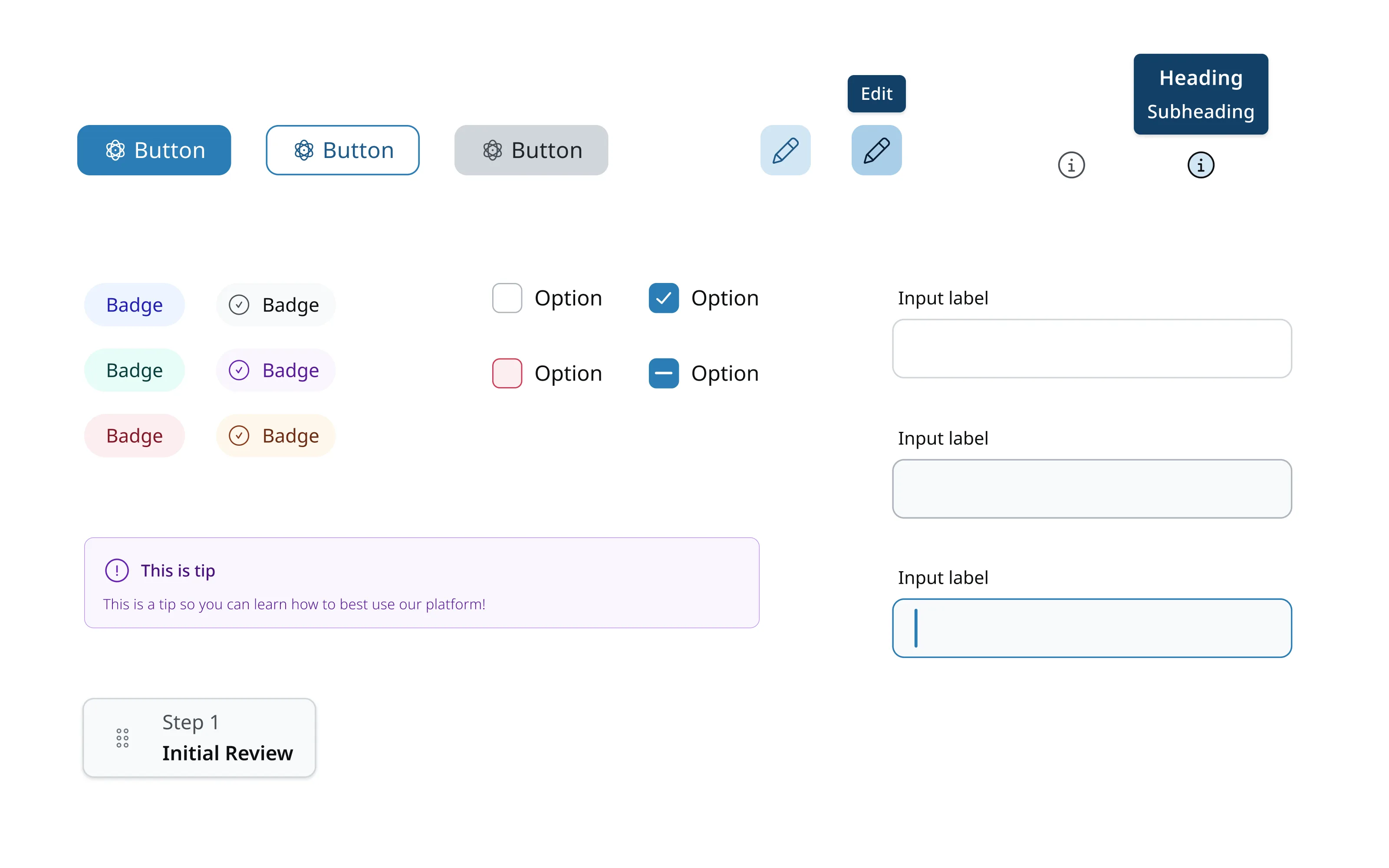
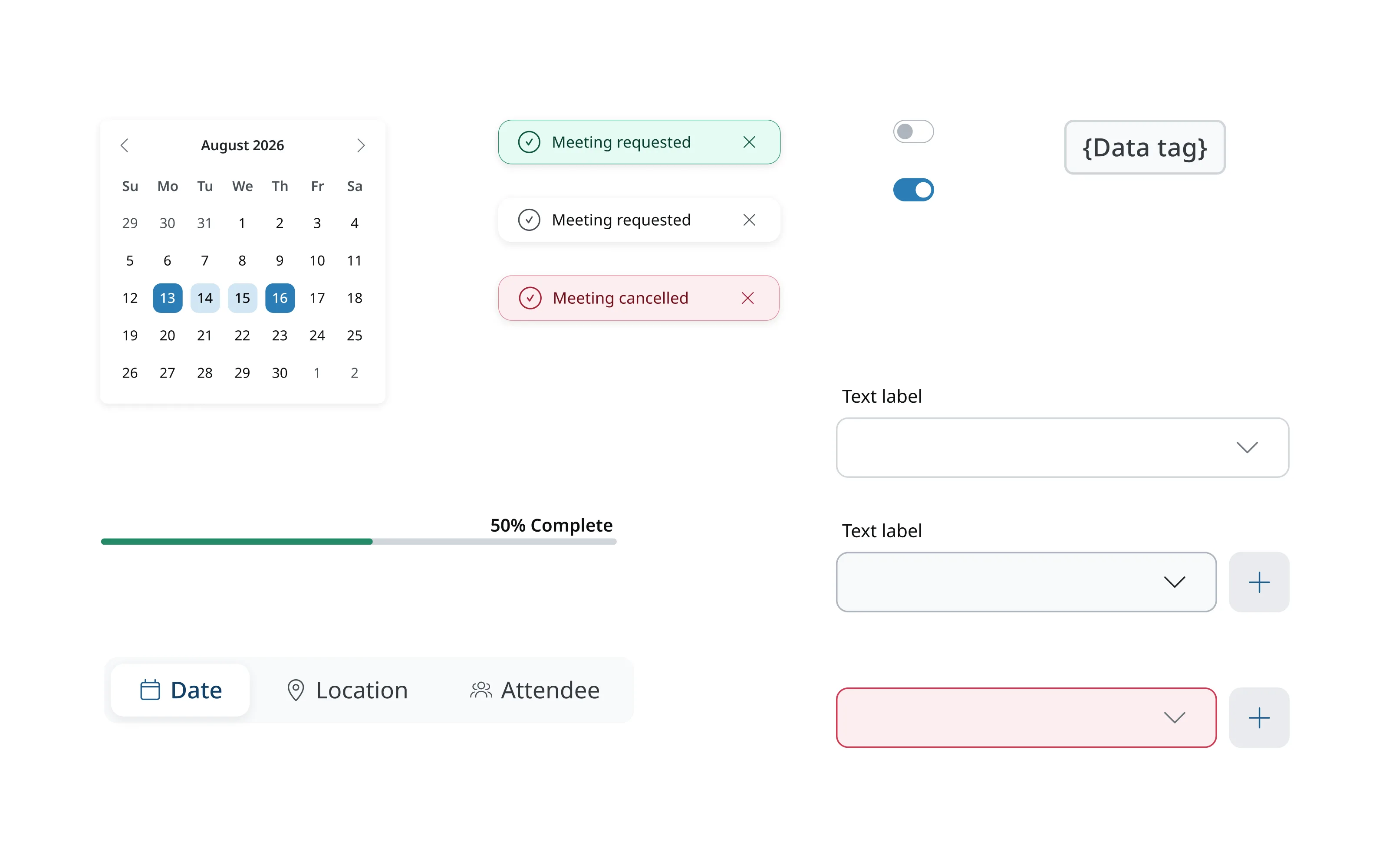
Molecules
Buttons, inputs, chips, toggles
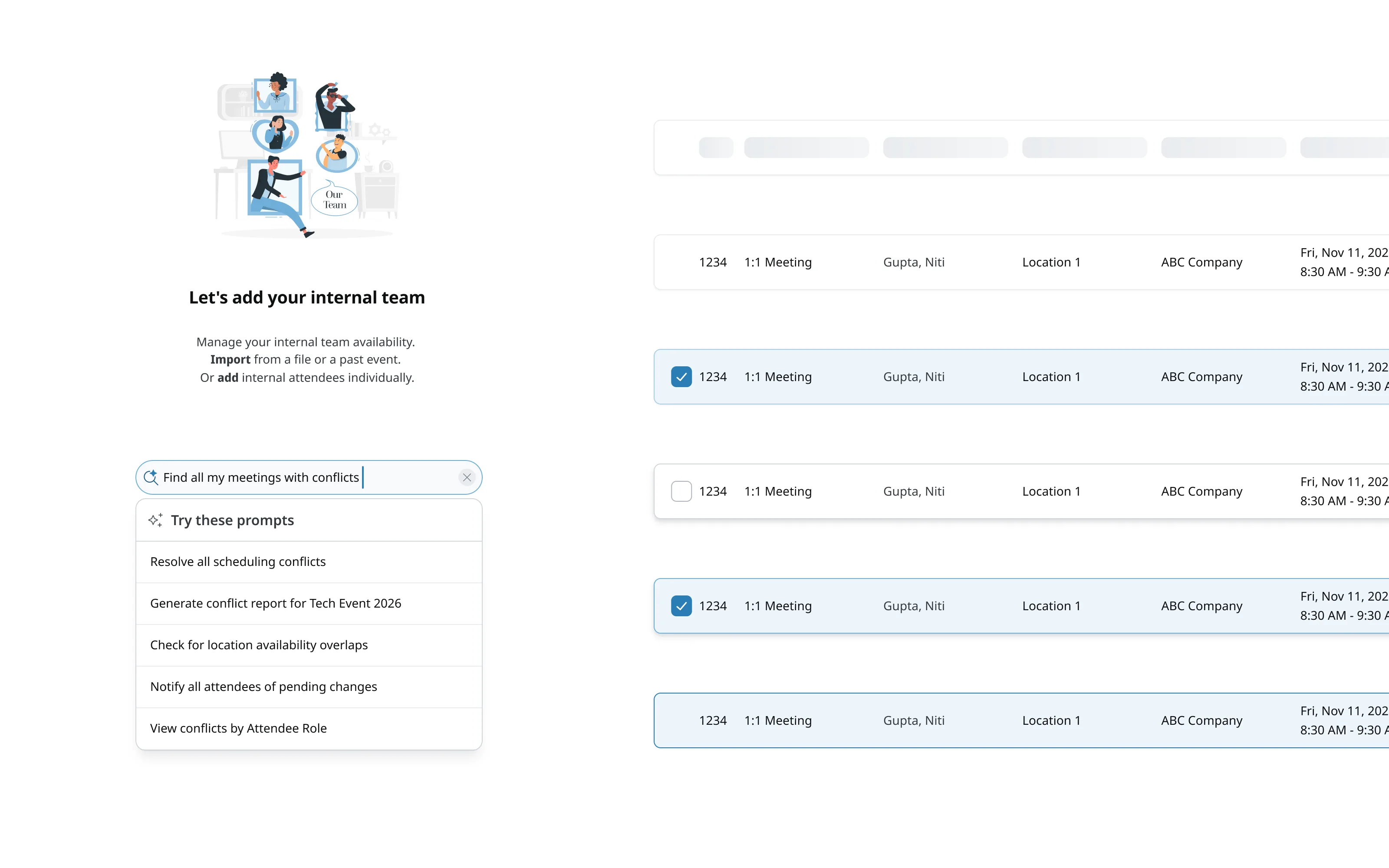
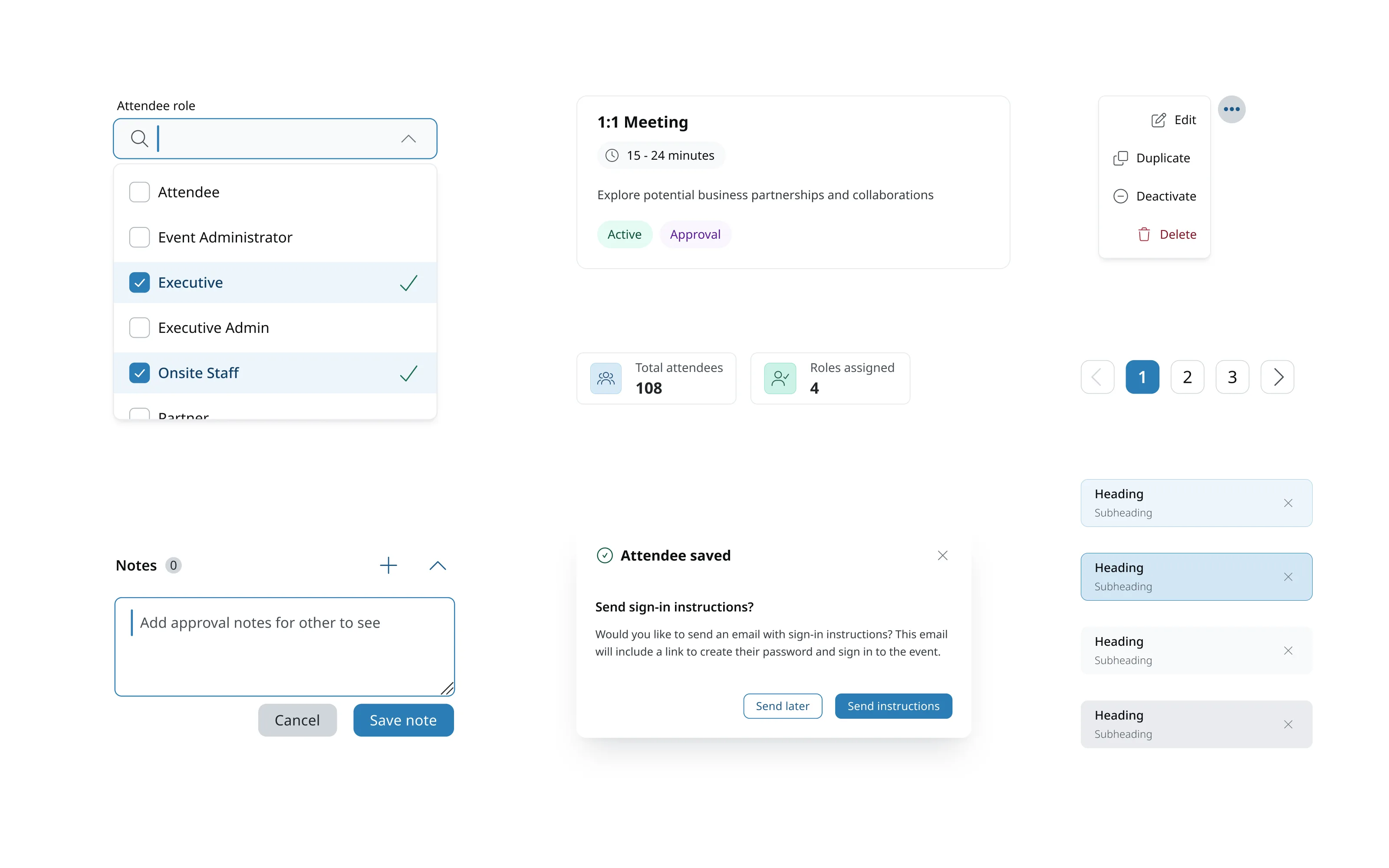
Organisms
Drawers, modals, empty states, data tables
Breadth of work
The legacy redesign was the main focus, but at a startup your role stretches to meet the company's needs. Here are some of the other projects I took on.
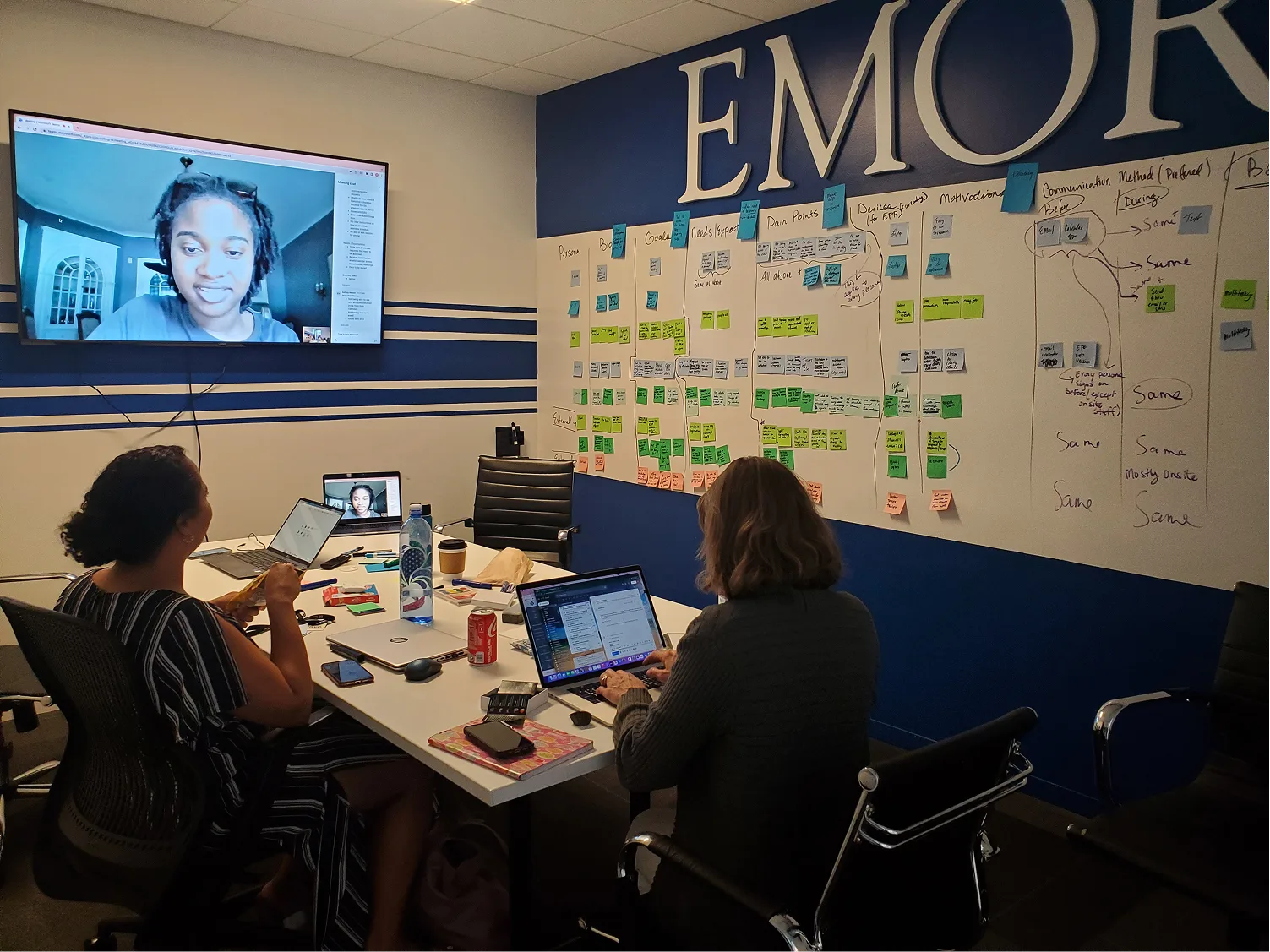
A user journey mapping workshop with the CEO and customer success team
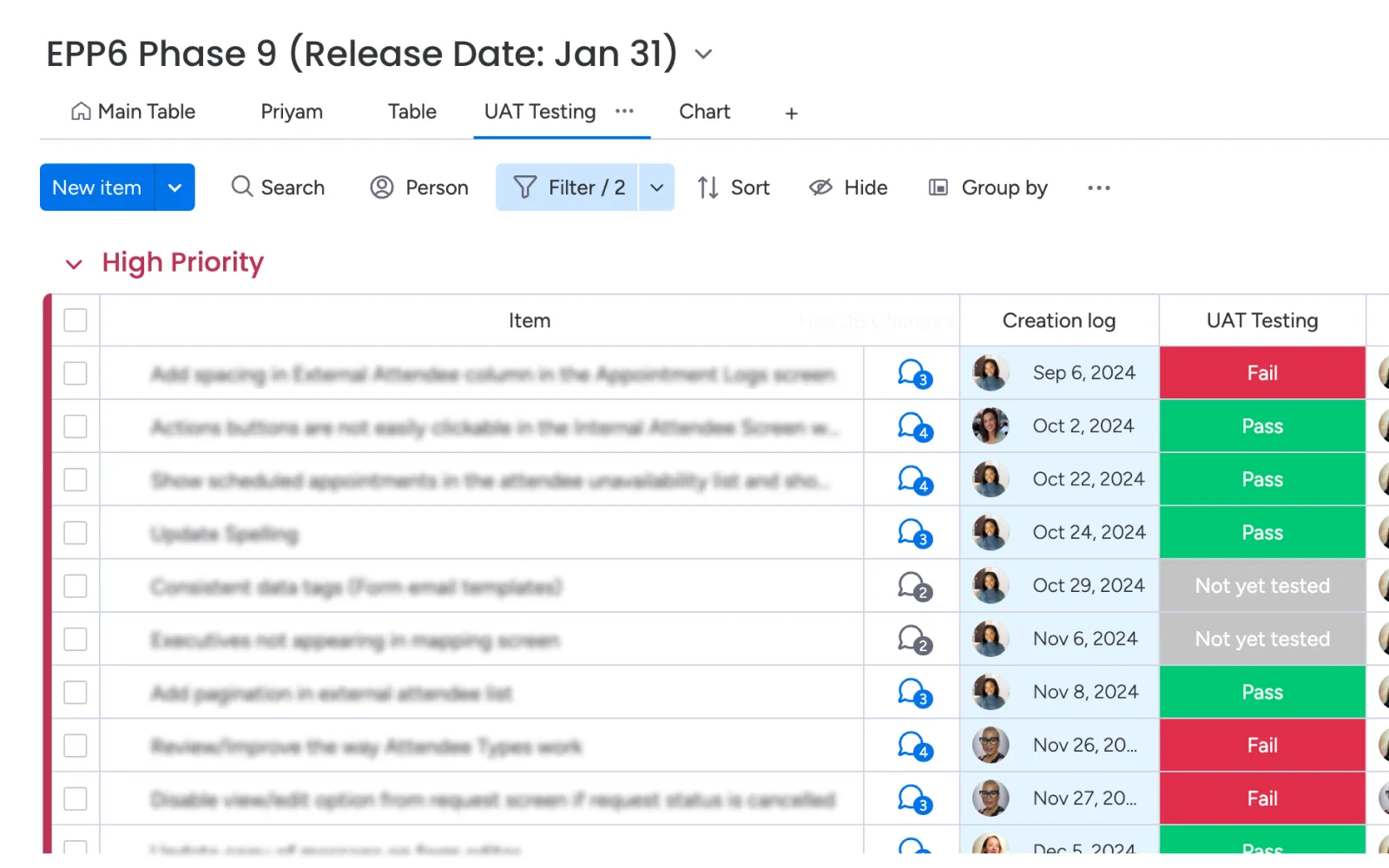
Set up the system that routed feedback into the dev cycle
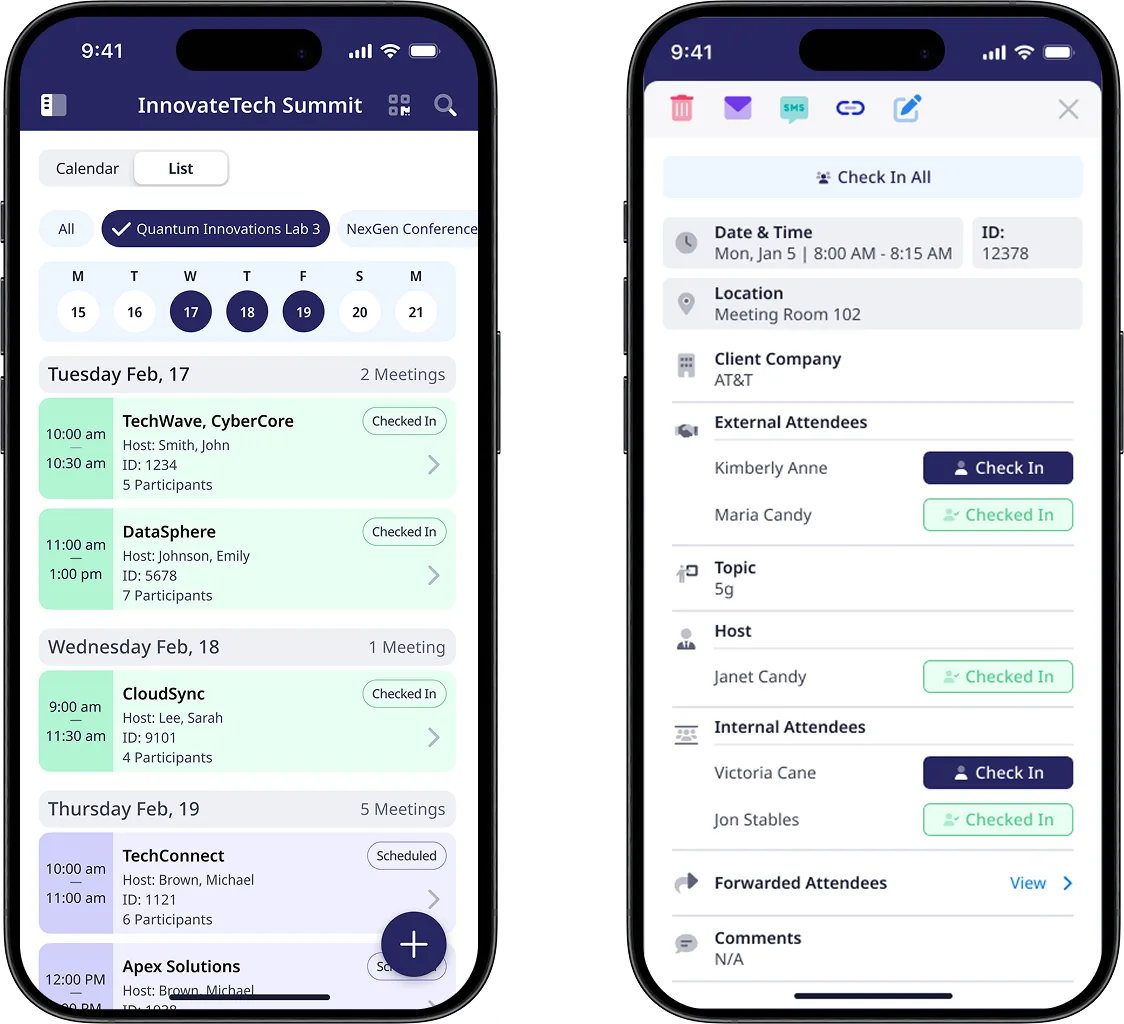
On-site event coordination to pair with the iPad
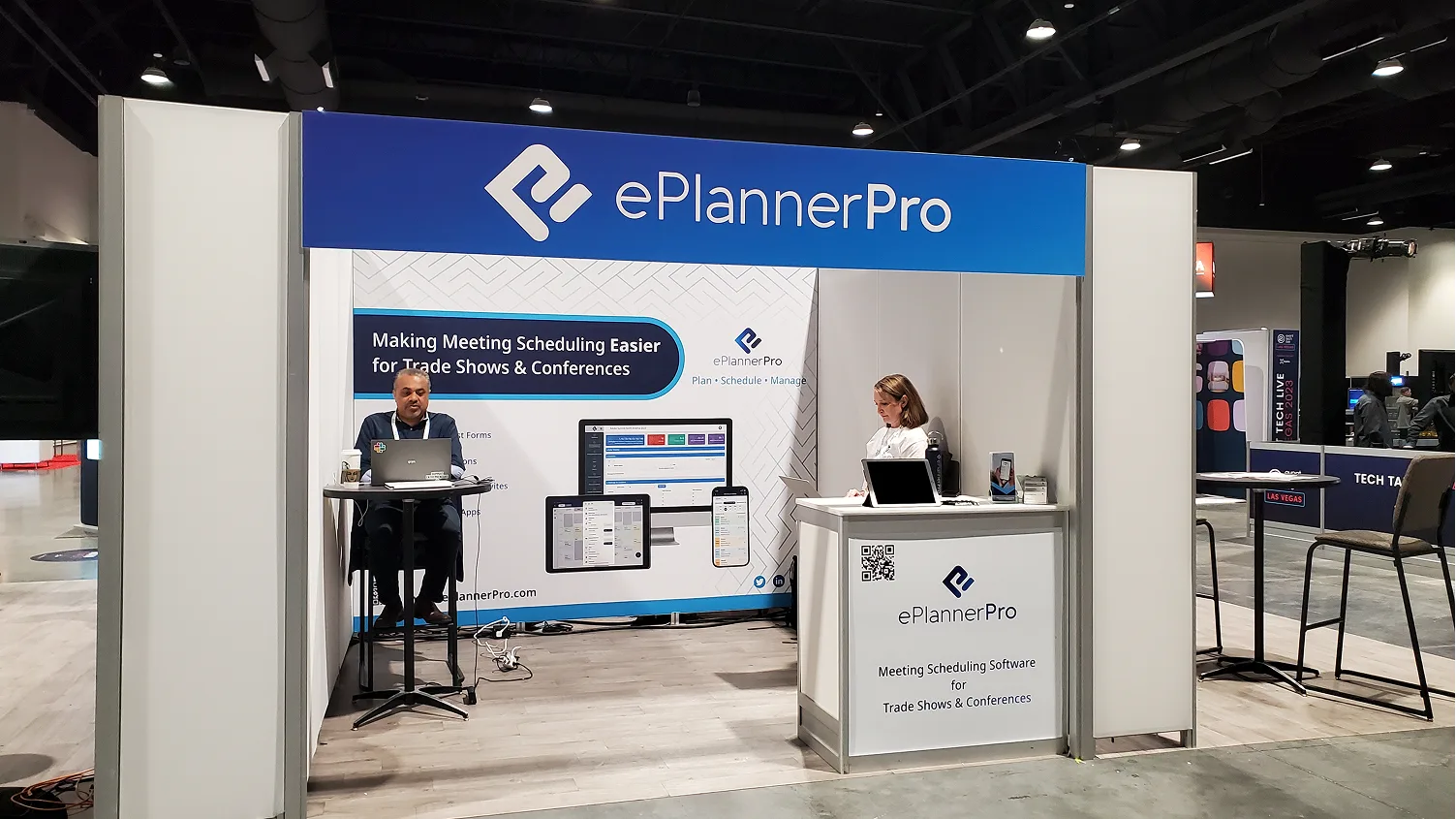
Design and in person presence at industry conferences
Product walkthroughs for new and existing customers
Announcing new features and product updates
Outcomes
What the work actually moved
After legacy redesign was released
Across all active accounts
Directional trend reported by the CS team after the redesign rollout
Behind the work
Some of the moments from the team
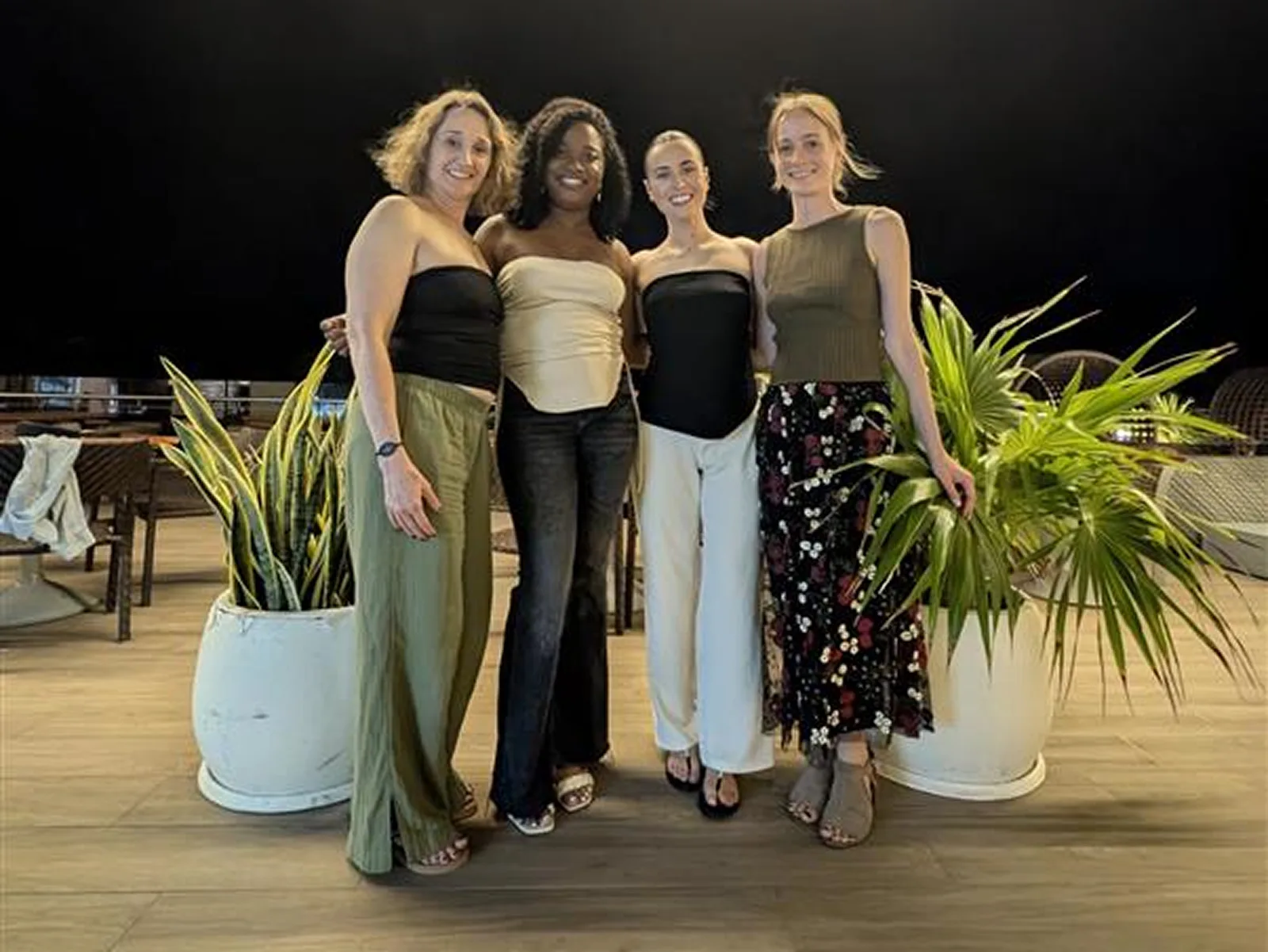
Company retreat, Cancún
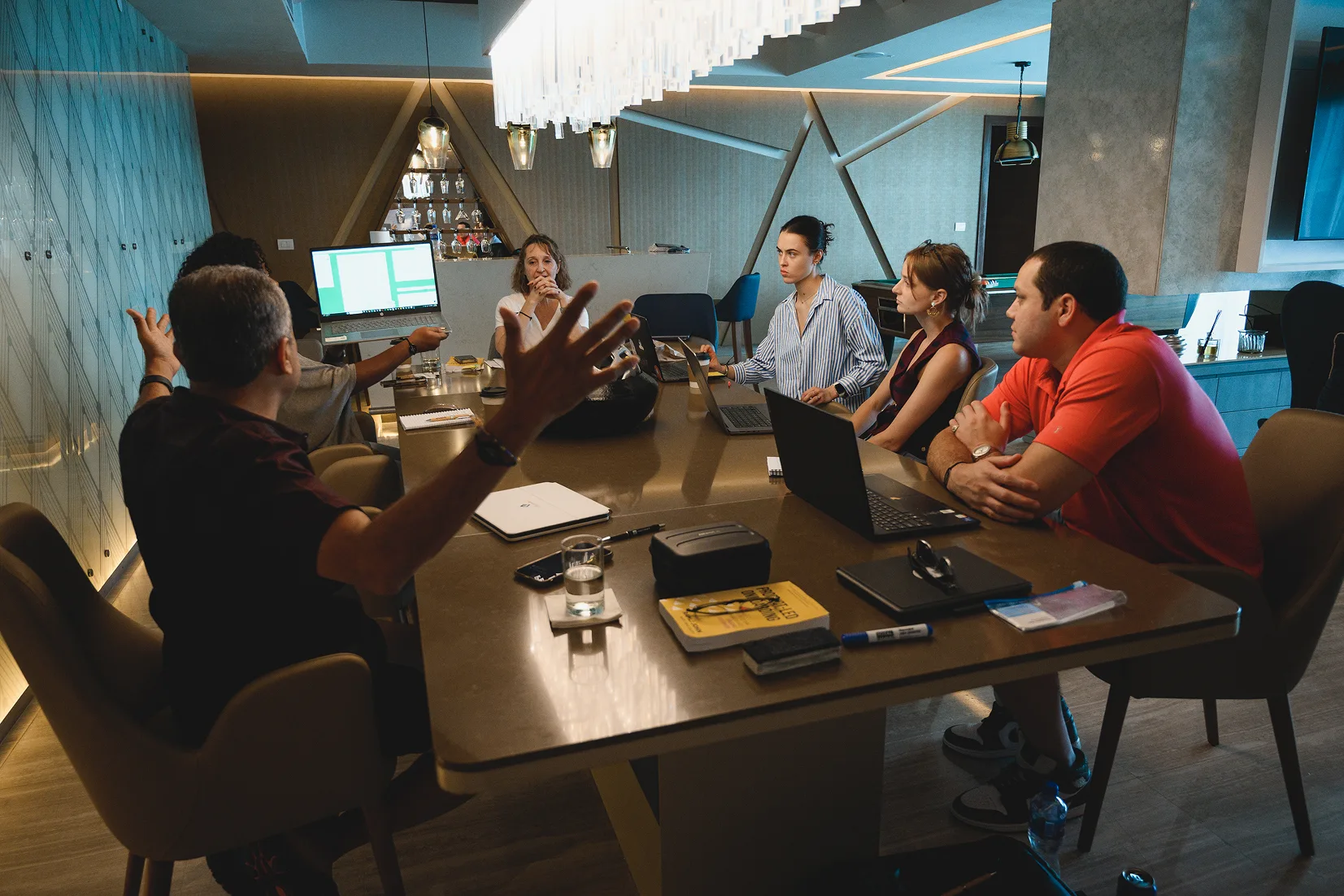
Team offsite, Cancún
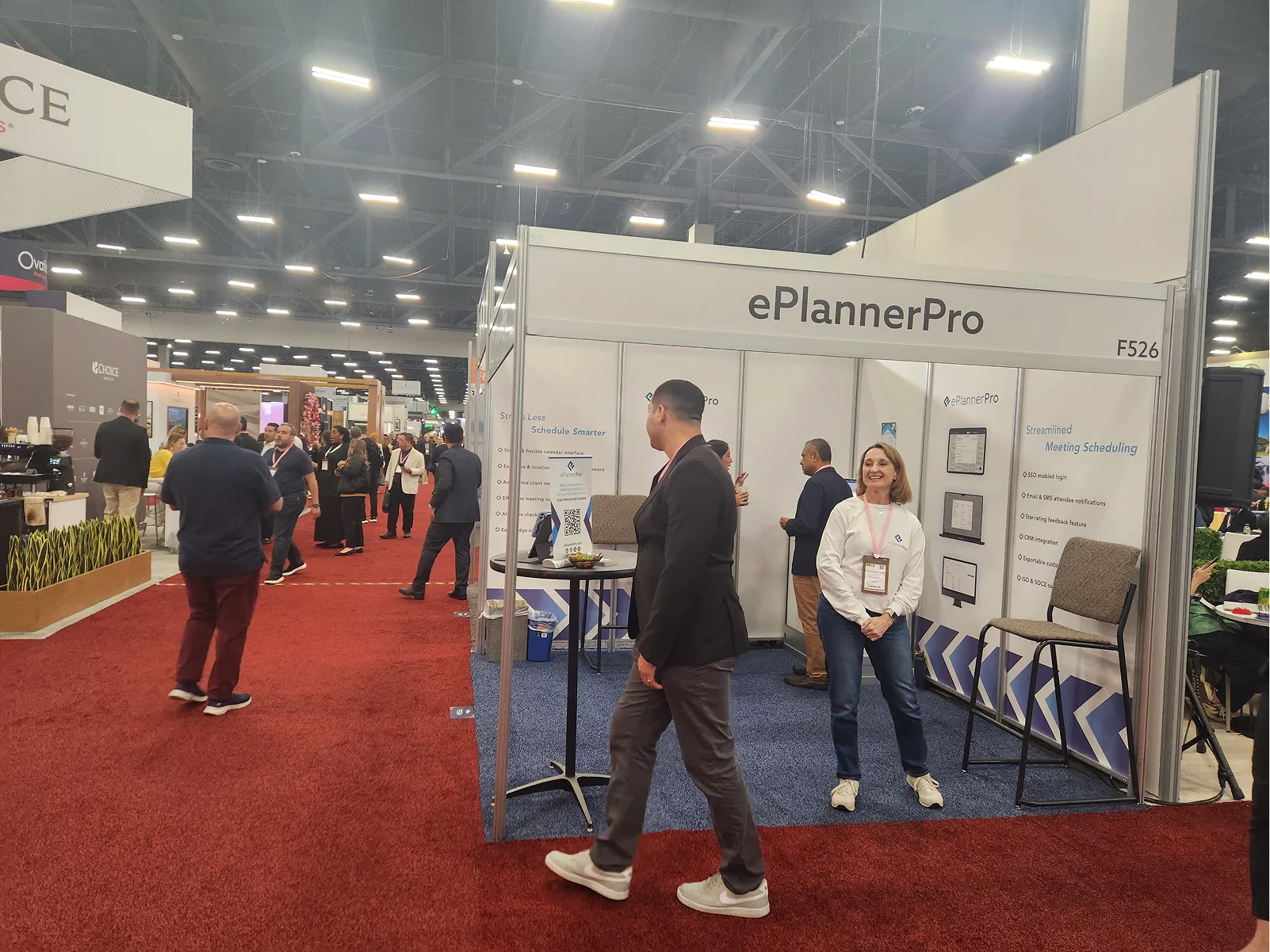
ePlannerPro booth, Las Vegas
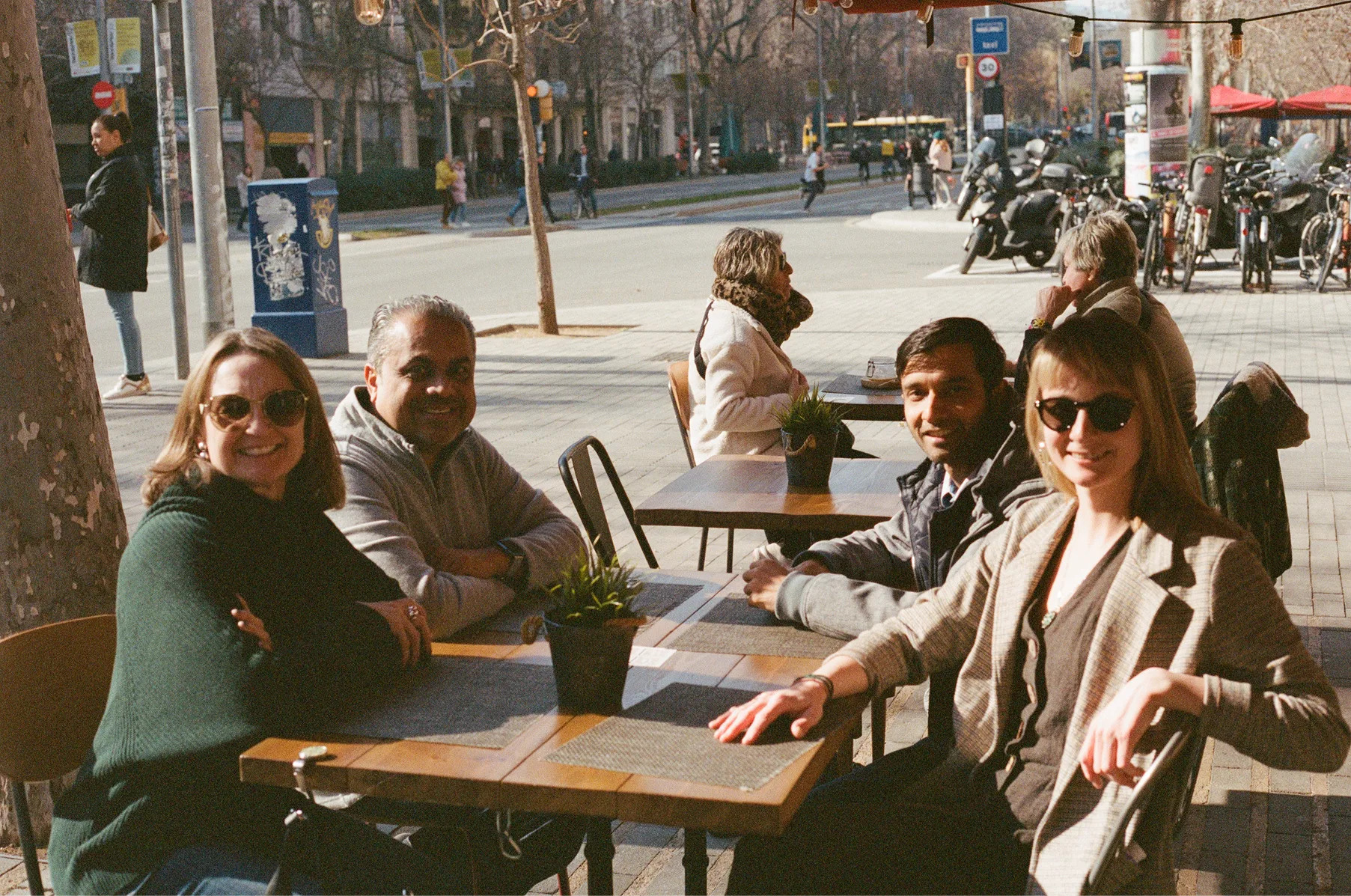
Lunch during Mobile World Congress, Barcelona
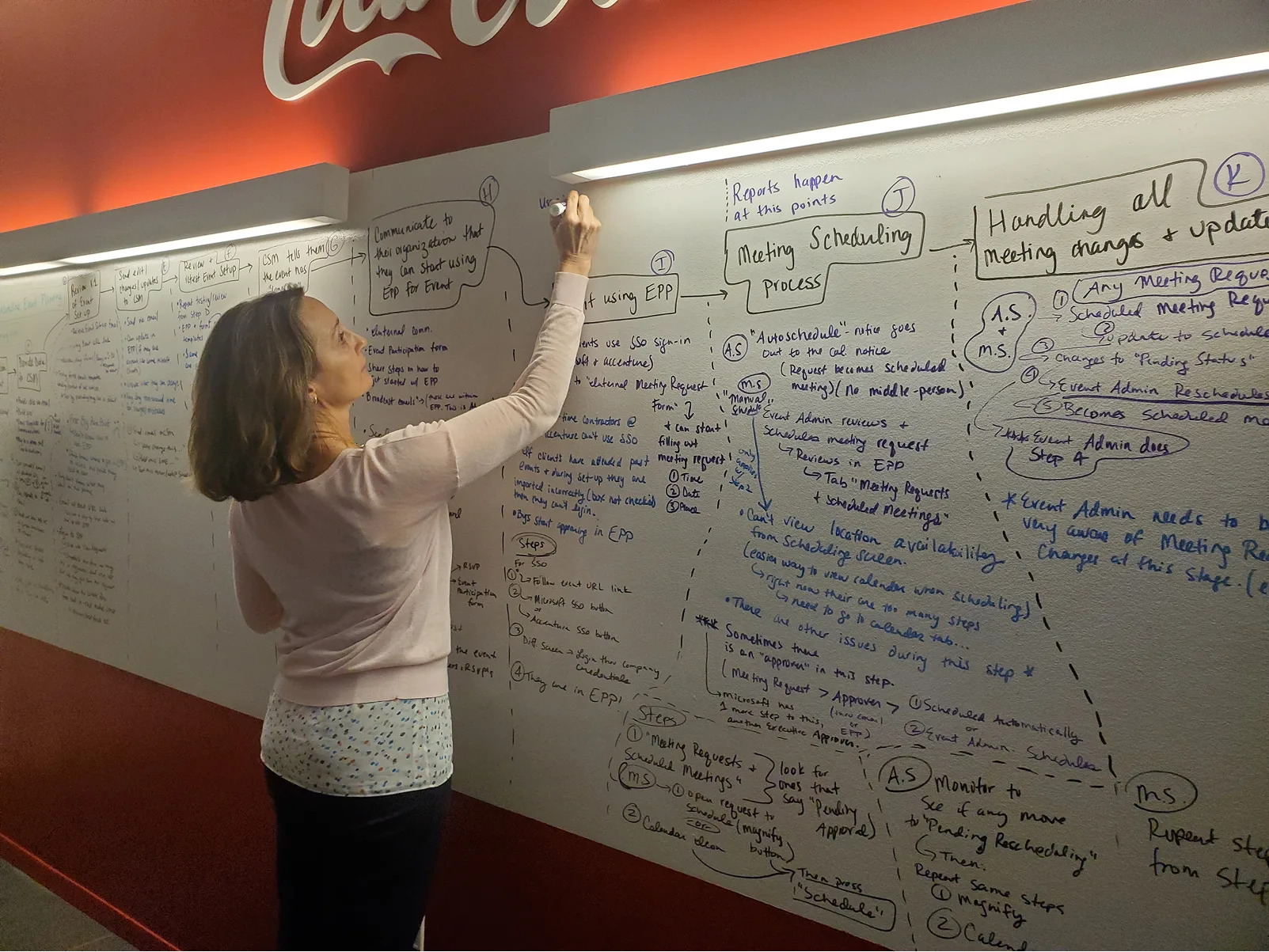
Journey map workshop, Atlanta office
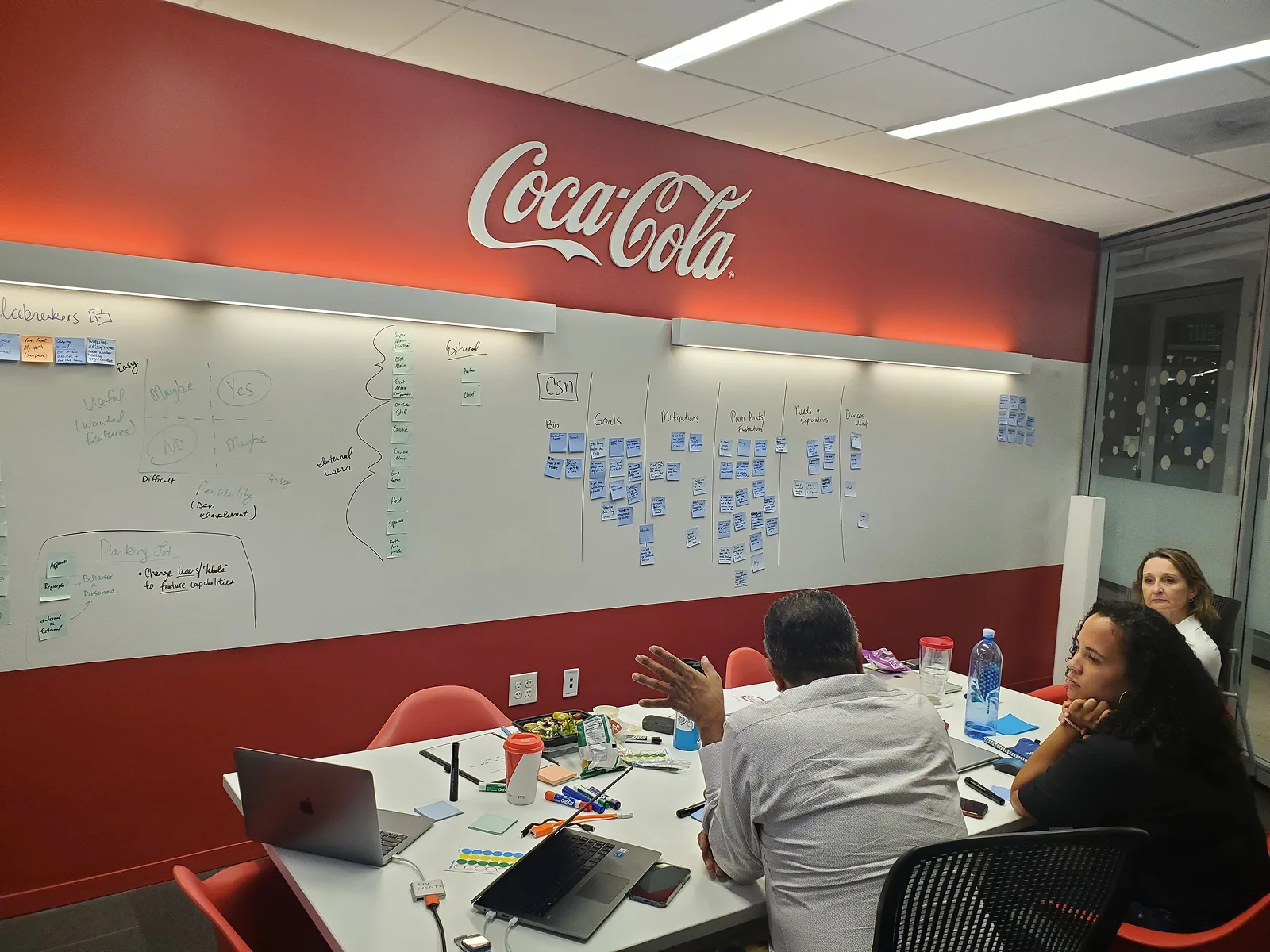
Empathy maps workshop, Atlanta office
What I carry forward
The biggest lessons came from rebuilding on top of a legacy system. Clients had built their own workarounds over years, and any new design had to either respect what people were already using or be clearly better than what it replaced.
I learned to work across a global team spanning the U.S., India, and Ireland, where every person brought different expertise and a lot of the design work was figuring out how to weave those ideas together.
If I were starting over, I'd push for more on-site time with event organizers and scheduled beta testing earlier in the cycle. Most of my feedback came through customer success, which meant I was always one step removed from the people actually using the product. My best design decisions always came from watching someone use the product in real conditions.